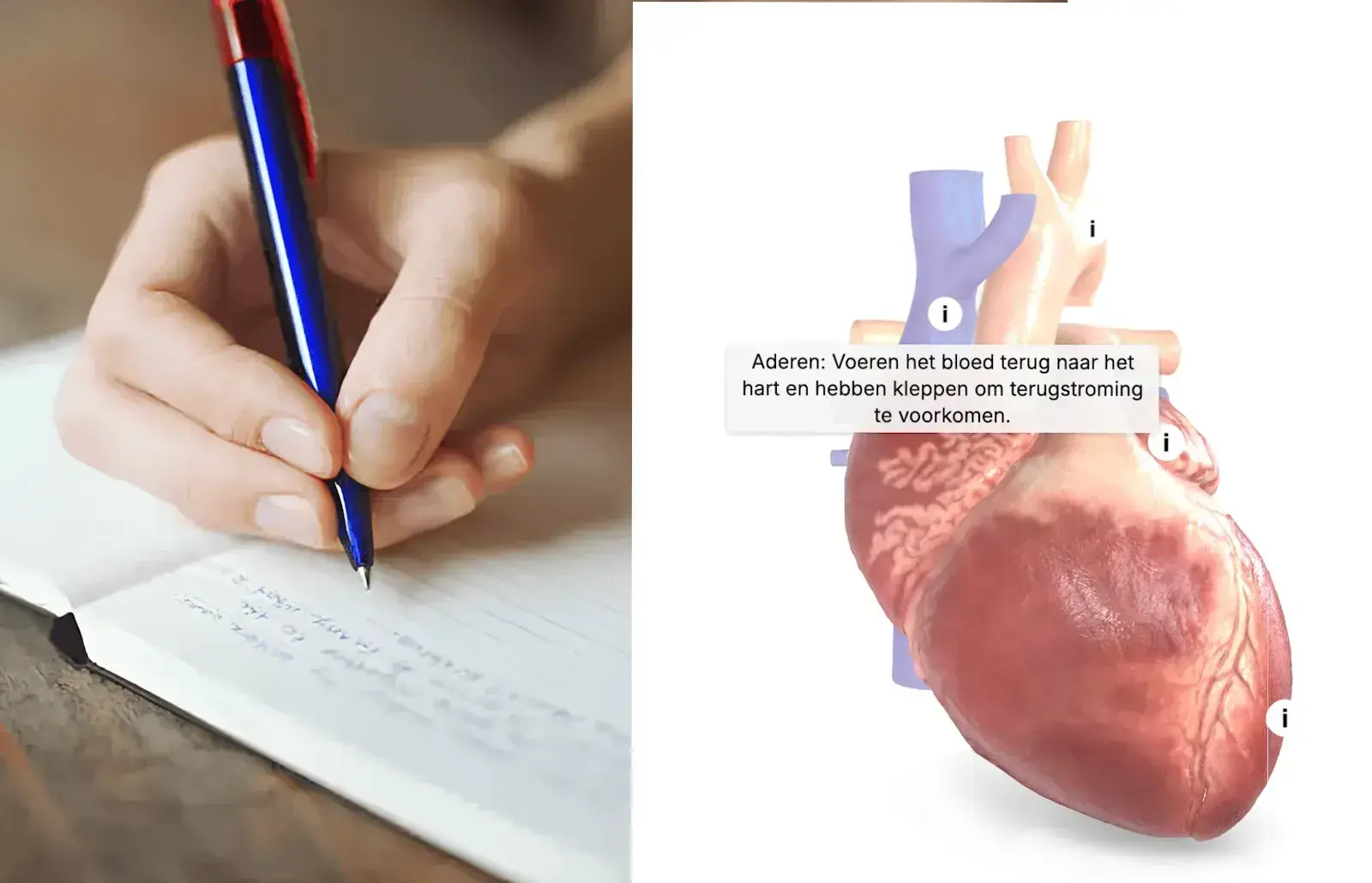
3D interactive assignments versus traditional learning methods
A comparison of effectiveness and applicability in different learning environments
The way students learn has changed significantly in recent years. Traditional learning methods, such as classroom instruction and lengthy training sessions, are increasingly being supplemented or replaced by interactive and digital learning tools. An important example of this are 3D interactive assignments. But which method is more effective? And in which learning environments does each approach work best? In this article, we compare 3D interactive assignments with traditional learning methods and analyse their effectiveness and applicability.
What are 3D interactive assignments?
3D interactive assignments are short, focused learning activities that allow students to actively practise one specific topic. These assignments can be used as preparation for class, as enrichment during class, or as revision afterwards. By focusing on one learning objective per assignment, the subject matter remains clear and targeted.
Within these assignments, students use interactive 3D models, animations, and visual support. This makes abstract or complex topics concrete and easier to understand. Students can view and explore objects and processes from different perspectives, which increases insight and comprehension.
Thanks to their compact format, 3D interactive assignments are suitable for both classroom use and independent learning. Students learn in short, effective learning moments, while teachers can easily integrate the assignments into their existing curriculum.
What are traditional learning methods?
Traditional learning methods include classroom instruction, lectures, extensive courses, and textbooks. These forms of learning are often structured around longer sessions in which larger amounts of information are covered. They offer a structured and in-depth learning experience, usually under the guidance of a teacher who can provide direct feedback and answer questions.
Comparison of effectiveness
3D interactive assignments and traditional learning methods differ significantly in how knowledge is transferred. 3D interactive assignments focus on short, active learning experiences and are therefore highly suitable for quick knowledge acquisition and revision. They help students stay focused and encourage active learning.
Traditional learning methods offer more room for in-depth study. Complex topics can be covered extensively, which is particularly valuable when a broad and thorough knowledge base is needed, such as in academic programmes or specialised training.
In terms of engagement, 3D interactive assignments often score higher. Through the use of interactive 3D models and visual elements, students are actively involved with the subject matter. With traditional learning methods, the level of engagement depends heavily on the teacher's didactic approach. Moreover, the large amount of information in longer lessons can sometimes lead to cognitive overload.
Flexibility is another important difference. 3D interactive assignments are digitally available and can be accessed at any time and from any location. Traditional learning methods often require fixed times and physical presence, making them less flexible. In terms of costs, interactive digital learning tools are often more efficient as well, because they are reusable and require fewer organisational and logistical resources.
Applicability in different learning environments
Corporate training
Within corporate training, 3D interactive assignments are highly suitable for quickly and purposefully teaching new skills. Short assignments fit well within a busy workday. Traditional learning methods are often used here for extensive training programmes and certification tracks.
Educational institutions
Schools and universities still make extensive use of traditional learning methods due to their suitability for complex and theoretical subjects. 3D interactive assignments are increasingly being used as a supplement, for example for revision, enrichment, or processing of the subject matter.
Technical and practice-oriented training
In sectors such as technology, healthcare, and industry, both forms of learning complement each other well. 3D interactive assignments are ideal for visualising processes, structures, and procedures, while traditional learning methods remain necessary for in-depth knowledge building and guidance.
Conclusion
Both 3D interactive assignments and traditional learning methods have their own strengths. 3D interactive assignments are ideal for flexible, active, and visual knowledge transfer, while traditional learning methods are better suited for in-depth and structured learning tracks. In practice, the greatest strength often lies in a combination of both approaches. This hybrid form of learning is known as blended learning.
By combining 3D interactive assignments with traditional learning methods, educational institutions and organisations can benefit from the best of both worlds. Would you like to know how you can use 3D interactive learning tools within your curriculum? Then visit our learning tools page and discover how MetaChef brings interactive learning to life.